Why the Algarve Is the New Cycling Capital of Europe

The Algarve: Europe's ultimate winter cycling paradise
Why WorldTour teams choose Portugal's Algarve over Mallorca and Girona for winter training camps
Europe's cycling landscape is transforming rapidly. Whilst Mallorca and Girona have long dominated training calendars, a new powerhouse has emerged: the Algarve. No longer just a beach destination, it has become a strategic winter base for WorldTour teams and smart amateurs seeking to maximise their training gains.
Forget postcard clichés. The Algarve offers performance-driven terrain, intelligent elevation and raw authenticity that Spain's polished cycling hubs sometimes lack. Whether you're chasing climbs or planning contemplative bikepacking adventures, here's why the Algarve is truly the "California of Europe" and your next winter cycling paradise.
At Baroudeur Cycling, we've established deep regional expertise through years of guiding Portugal cycling holidays that showcase why professional teams increasingly choose this exceptional region.
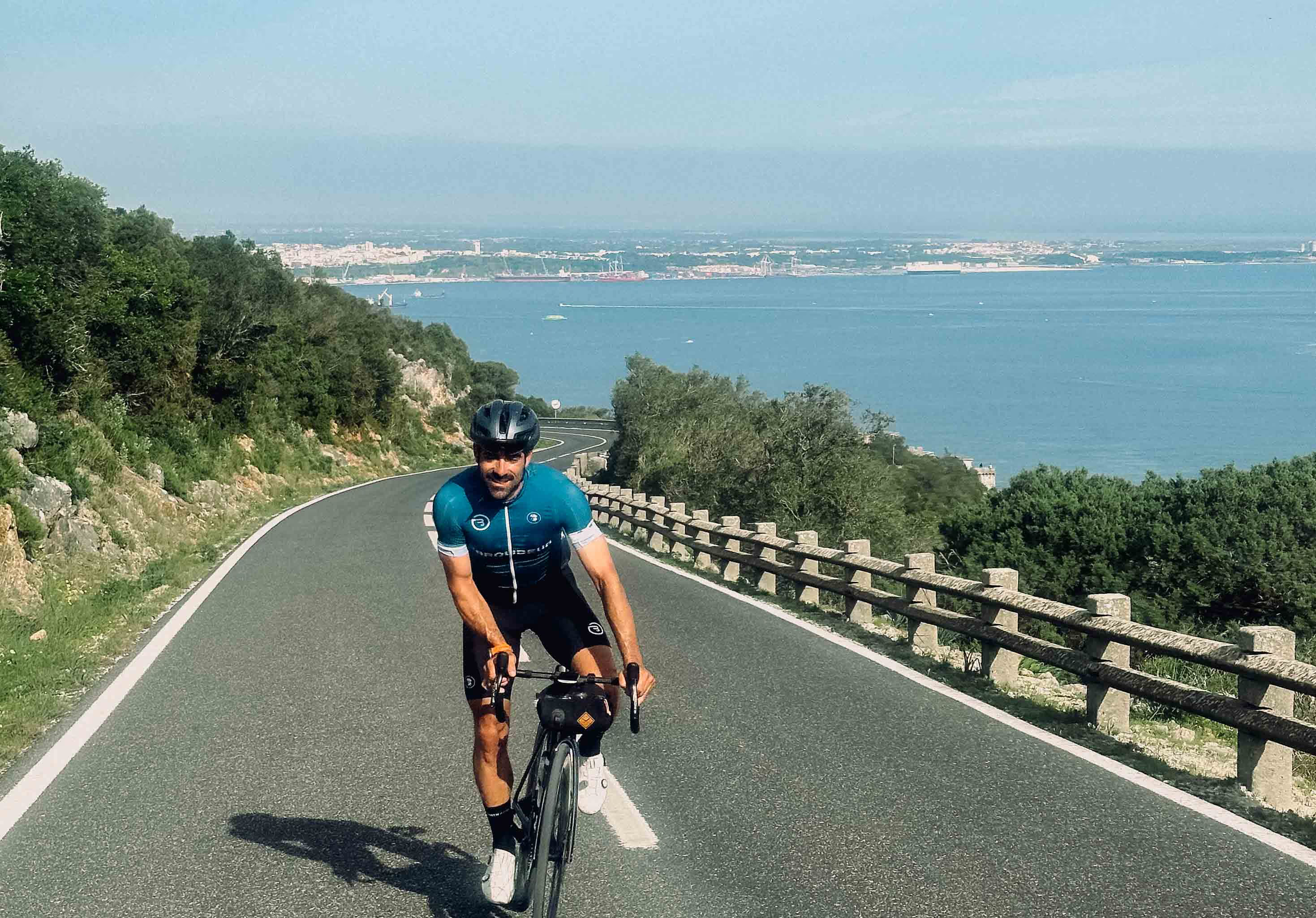
Winter cycling advantage: why the Algarve beats Mallorca and Girona
For cyclists preparing for race season, consistency is everything. From December to February, the Algarve delivers unmatched training conditions that surpass traditional European winter destinations.
Stable winter temperatures equal better training sessions
Training at 2°C isn't heroic—it's poor physiology. Whilst Girona frequently drops to 1-4°C on winter mornings, the Algarve benefits from the Serra de Monchique's natural thermal shield, keeping temperatures consistently above 8°C.
Why this matters for performance:
By 11 a.m., riders can train in short bibs and a light jacket, improving thermoregulation and the quality of threshold and VO2max workouts. Cold-weather adaptation wastes valuable training time that could develop actual fitness.
Winter temperatures typically range 12-18°C during riding hours, creating optimal conditions for sustained interval work without thermal stress that compromises power output or recovery quality.
For training preparation strategies, consult our cycling training camp guide with professional-level insights.
More sunlight equals better morale and more hours on the bike
With 160-170 hours of sunshine in January (versus approximately 140 in Girona) and quick-passing Atlantic showers, the Algarve offers more usable daylight and less mental fatigue than Mallorca's persistent "Gota Fria" weather systems.
Psychological benefits of reliable sunshine:
- Consistent training schedules without weather-related cancellations
- Improved vitamin D production supporting immune function
- Enhanced recovery through better sleep patterns
- Reduced seasonal affective disorder common in northern winters
Professional teams prioritise these factors because mental freshness directly impacts training quality and adaptation. The Algarve's reliable weather enables proper periodisation without constant schedule adjustments.
Discover comprehensive road cycling in the Algarve year-round advantages.
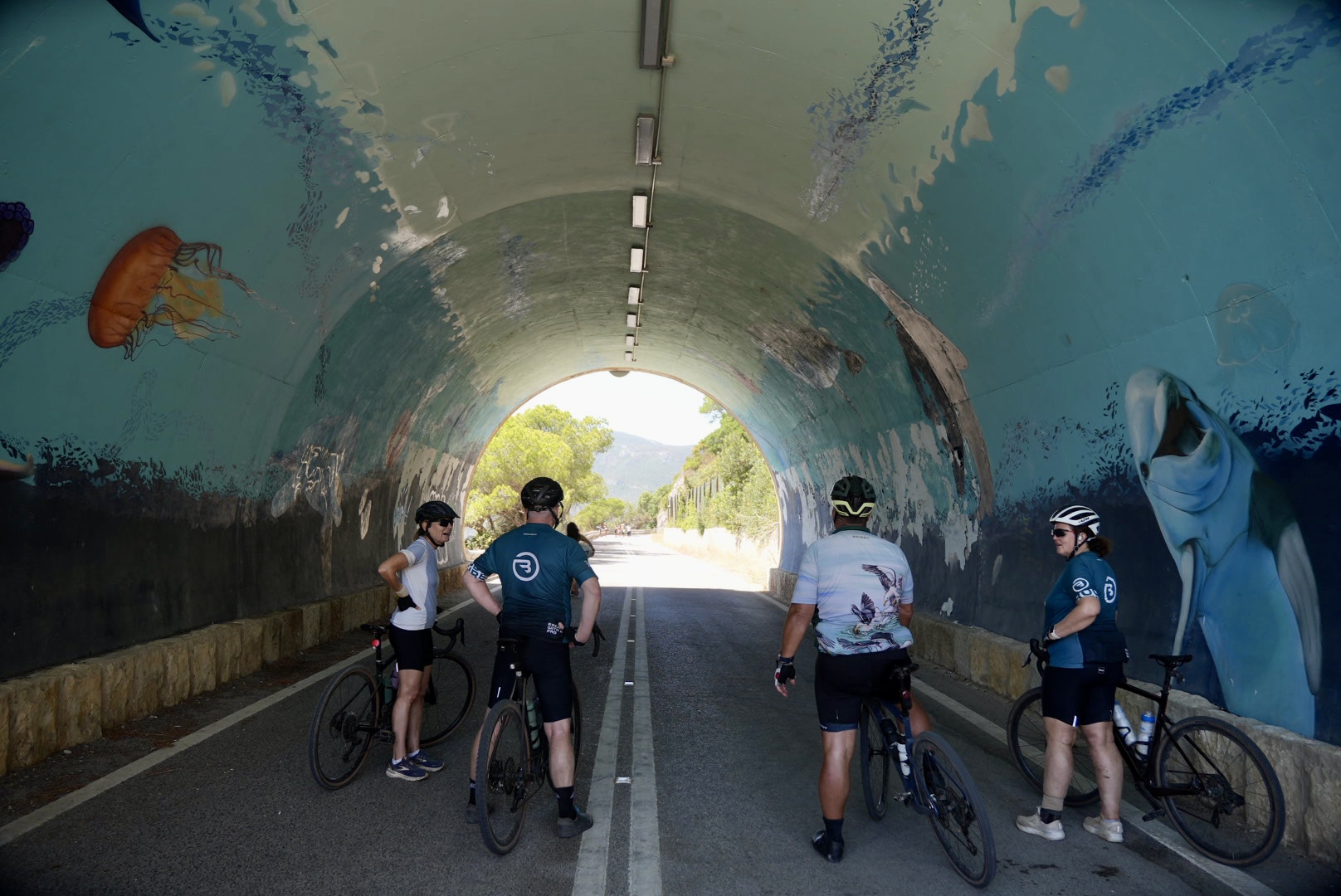
The Algarve's three-dimensional terrain: built for serious cyclists
The Algarve isn't flat and it's not exclusively mountainous—it offers layered geomorphology that's ideal for progressive winter training across all intensity zones.
The Barrocal: the perfect base-endurance zone
This rolling terrain between the coast and mountains (50-300m altitude) forces riders to stay active on the pedals without destroying the cardiovascular system through excessive intensity.
Training benefits:
- Constant subtle gradient changes developing pedalling efficiency
- Natural tempo intervals through terrain variation
- Reduced mental fatigue compared to flat roads
- Ideal zone 2 development without excessive strain
The Barrocal's undulating character prevents riders from simply "switching off" mentally whilst accumulating volume, creating superior aerobic adaptation compared to flat coastal routes.
This makes the Algarve one of the best regions in Europe for winter endurance cycling development that translates directly to improved race performance.
The Serra: threshold training and brutal climbs
Here, the Algarve rivals iconic European climbs featured in our Mont Ventoux guide.
Fóia (902m): A 6.8km climb at 5.9% average gradient, with nearly 20km of total effort from the coast. Ideal for FTP work, regularly used by professionals including Remco Evenepoel during winter camps.
Alto do Malhão: 2.5km at approximately 10% average, with ramps exceeding 20%. A benchmark climb for explosiveness and lactate resistance training, almost entirely absent in Mallorca's terrain profile.
Expert tip: Bring a compact chainring (34×30 or 34×32 minimum). The Malhão punishes arrogance and poor gearing choices with brutal efficiency.
For climbing nutrition strategies, consult our mountain nutrition guide and long distance fuelling guide.
Pro-level infrastructure: why WorldTour teams train in the Algarve
Teams like INEOS Grenadiers and Soudal Quick-Step choose the Algarve for one critical reason: elite consistency without distractions that compromise training quality.
The Campus: Southern Europe's best high-performance centre
Located in Quinta do Lago, it combines world-class recovery tools (ice baths, gym, expert mechanics) with exceptional road access enabling diverse training options within 30-minute rides.
This integrated approach mirrors professional team infrastructure whilst remaining accessible to serious amateurs seeking legitimate performance gains through our premium Algarve cycling holidays.
Volta ao Algarve: the professional benchmark
Often referred to as the "fourth early-season Grand Tour," this race validates the region's terrain quality and training potential through international professional competition.
Pogačar, Roglič, Thomas—the world's best—have used these roads as their early-season preparation ground, proving the Algarve's capacity to develop peak fitness through optimal training conditions.
If it's good enough for them, it's certainly good enough for your fitness transformation goals.
Authenticity, cost and the coffee index: why cyclists love the Algarve
The baroudeur spirit values authenticity over hype. Girona has become polished and cosmopolitan; the Algarve maintains its rural soul whilst offering professional-level cycling infrastructure.
A destination that respects your budget
Cost comparisons:
- Meals: €10-€15 for full "Prato do Dia" (daily special)
- Coffee: €0.70-€1.00 (versus €2.50 in Girona)
- Accommodation: 30-40% less expensive than Mallorca equivalents
For cycling groups, this cost difference unlocks better accommodation quality or extends training camp duration without budget strain that compromises experience quality.
Recovery food that actually helps performance
Forget processed gels and bars. Recovery here means Frango Piri-Piri (grilled chicken) and fresh seafood from the Ria Formosa—naturally lean, protein-rich and loaded with micronutrients that support adaptation.
Traditional Portuguese cuisine provides anti-inflammatory benefits through olive oil, fresh fish and minimal processing that surpasses typical "sports nutrition" approaches focused solely on macronutrients.
Baroudeur Cycling expertise: the Algarve like you've never seen it
The eastern secret: Tavira and beyond
Whilst tourists crowd the western Algarve, Baroudeur Cycling guides riders eastward where climbs like Alcaria do Cume offer deserted panoramic beauty impossible to find in overcrowded Mallorca hotspots.
Our Algarve gravel adventure explores these hidden sectors combining performance with authentic discovery.
Safety-first route planning
The notorious N125 coastal highway is strategically avoided through intelligent route design. Our GPS routes cross it only perpendicularly before immediately returning to quiet inland roads that prioritise safety without compromising training quality.
This approach eliminates the stress of sharing roads with heavy traffic whilst maintaining access to the region's best climbing and scenery.
A gravel paradise
The Algarve's Ecovia network offers non-technical, flowing gravel that's far smoother than Girona's rocky sectors requiring mountain bike skills.
Explore our dedicated gravel cycling holidays featuring the Algarve gravel tour for mixed-terrain adventures.
Experience our Lisbon to Sagres and Faro to Lisbon routes for extended gravel exploration.
Extended Portuguese cycling adventures
The legendary N2 route
For ultimate Portuguese cycling challenge, experience the N2 cycling tour traversing Portugal's complete 739 kilometres.
Read our comprehensive N2 Portugal guide for complete route information.
Equipment and preparation essentials
Choosing the right bike
For equipment guidance, consult our touring bike selection guide.
UK cyclists should read our choosing your first bike before investing.
Consider our 6 smart cycling investments for optimal Algarve experience.
Avoiding common mistakes
Read our 5 beginner mistakes guide and first cycling trip guide for comprehensive preparation.
Professional services and support
Bike rental excellence
Our bike rental service in Portugal provides premium carbon bikes (Di2, disc brakes) plus gravel and e-road options eliminating transport hassles.
Custom experiences
Our custom cycling trips allow complete personalisation matching your specific requirements.
Discover our bespoke approach to fully tailored experiences.
Professional coaching
Our cycling coaching programme prepares you specifically for Algarve challenges with tailored training plans.
Cycling in France
France cycling holidays provide complementary European experiences with different terrain character.
The Algarve: your smartest cycling investment
The Algarve isn't a "cheap Mallorca"—it's a region with strong identity, combining Atlantic ruggedness and Mediterranean gentleness into unique cycling character.
What cyclists need most is reliability:✔ Reliable weather enabling consistent training✔ Reliable roads providing safety and quality✔ Reliable human experiences through authentic culture
Choosing the Algarve means giving your physical effort the best possible return on investment through optimal training conditions that translate directly to improved performance.
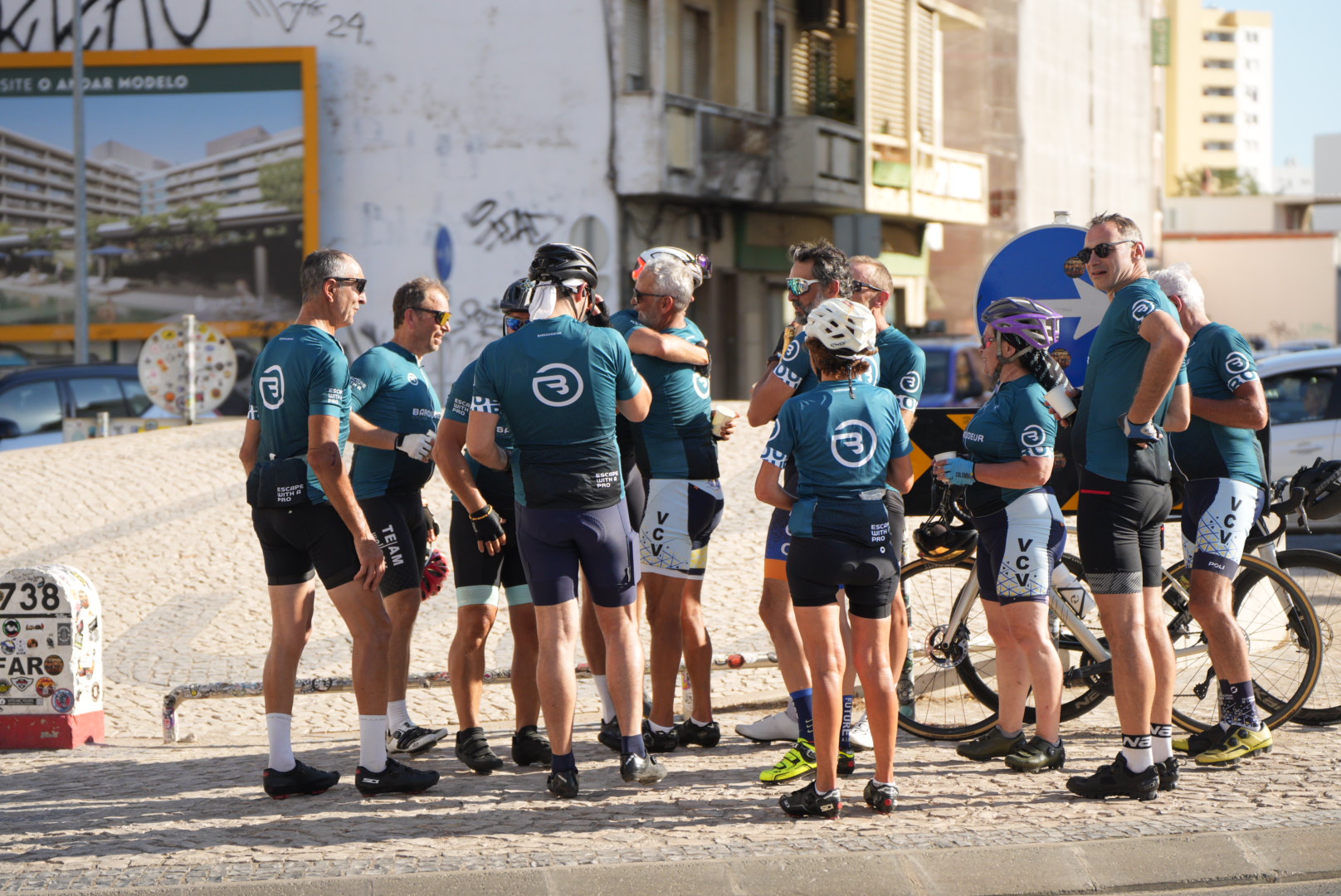
Conclusion: transform your winter training
The Algarve represents the future of European winter cycling—combining professional-level infrastructure with authentic culture and unbeatable value that traditional destinations increasingly lack.
Whether you're a WorldTour professional, ambitious amateur or recreational cyclist seeking winter sunshine, the Algarve delivers experiences that exceed expectations whilst respecting your budget and training goals.
Ready to experience Europe's ultimate winter cycling paradise? Contact Baroudeur Cycling to plan your Algarve cycling adventure where professional expertise meets authentic Portuguese discovery.
FAQ: planning your Algarve cycling trip
Best months for cycling?
December to May provides optimal conditions. January-February offers the clearest climatic advantage over the rest of Europe with stable temperatures and minimal rainfall.
Bike rental options?
Our bike rental service provides premium carbon bikes (Di2, disc brakes) plus gravel and e-road options from trusted providers.
Suitable for beginners?
Absolutely. The coast and Barrocal terrain are beginner-friendly with gradual progression. Fóia requires some fitness, but secondary roads accommodate every level whilst building capabilities.
How does it compare to Mallorca?
Lower costs (30-40% savings), warmer winter temperatures (8-18°C vs 4-12°C), less crowded roads, and more varied terrain providing superior training stimulus.
What about gravel cycling?
The Algarve features extensive non-technical gravel networks through the Ecovia system, offering flowing terrain perfect for gravel exploration without requiring advanced technical skills.